Bleeding gums when brushing: is it serious? Causes and treatment
فريق التحرير الطبي
LikDoc Medical Review
A little blood in the sink after brushing your teeth? You're not alone: bleeding gums are one of the most common mouth problems. Most of the time the cause is a mild gum inflammation that can be fully treated. But if ignored, it can turn into a disease that makes you lose teeth over time.
The most common cause: gingivitis
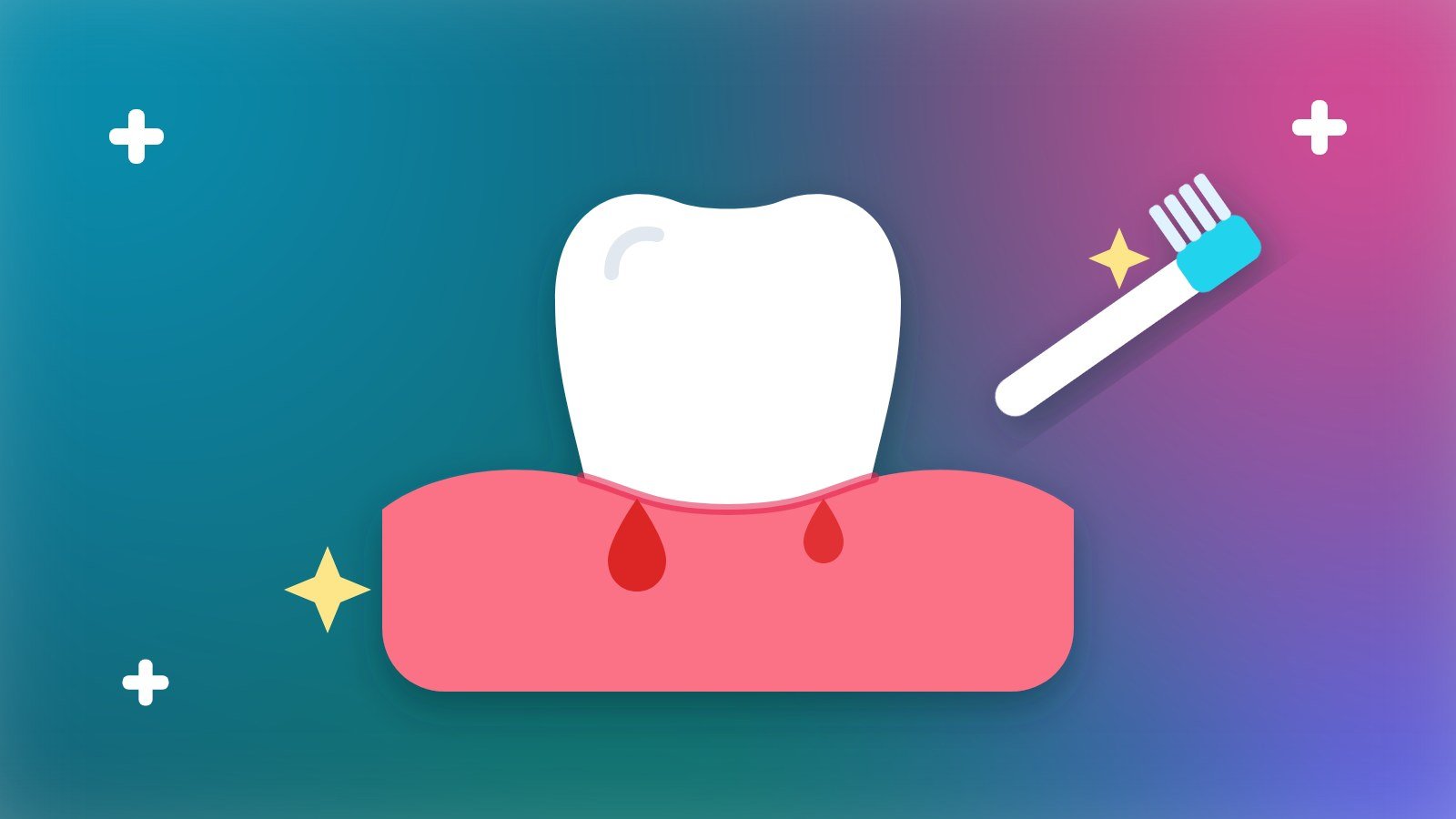
When teeth aren't cleaned well, a sticky layer of bacteria called plaque builds up, especially along the gum line. These bacteria irritate the gums, which become red, swollen and bleed easily. Over time, plaque hardens into tartar, which only a dentist can remove.
Other causes
- Brushing too hard or using a hard toothbrush.
- Starting to floss: light bleeding in the first days is normal and usually stops within one to two weeks.
- Pregnancy: hormonal changes make gums more sensitive.
- Some medicines, such as blood thinners and aspirin.
- Diabetes, and smoking, which damages the gums and can hide the bleeding.
- More rarely: a lack of vitamin C or a blood clotting problem.
Signs the problem is getting worse
- Bad breath that doesn't go away.
- Receding gums, with teeth looking longer than usual.
- Loose teeth, or a change in how your teeth fit together.
- Pus between the teeth and gums, or pain when chewing.
These are signs of periodontitis, an advanced stage that needs treatment by a dentist as soon as possible.
What to do at home
- Don't stop brushing because of the blood: that makes the inflammation worse. Brush gently instead.
- Use a soft toothbrush and fluoride toothpaste, twice a day for two minutes, with small circular movements along the gum line.
- Clean between your teeth once a day with floss or small interdental brushes.
- You can rinse with warm, slightly salty water to soothe the gums.
- Cut down on sugar, drink water and stop smoking.
With regular, careful cleaning, bleeding from mild gingivitis usually improves within one to two weeks. If it doesn't, see a dentist.
When to see a dentist
- If the bleeding lasts more than two weeks despite good brushing.
- If you notice swelling, pain, pus or loose teeth.
- If you are pregnant or have diabetes: regular gum check-ups are very important.
- In any case: a professional scale and clean once or twice a year protects your gums.
When is it urgent?
- Bleeding that doesn't stop after 10 to 15 minutes of pressure with clean gauze.
- Bleeding elsewhere for no reason: nosebleeds, or many bruises on the body, with severe tiredness. See a doctor for a blood test.
- If you take a blood thinner: don't stop it on your own; talk to your doctor.
You can find a dentist near you on LikDoc, check their hours and book easily.
This article is for information only and does not replace medical advice.